Baseball · Analysis
Why the Phillies' small-ball surge looks built for meaningful games
A seven-game winning streak powered without constant home runs offers a useful October lesson: pressure can be created one base at a time.
August 27, 2026 · I AM 215 JAWN
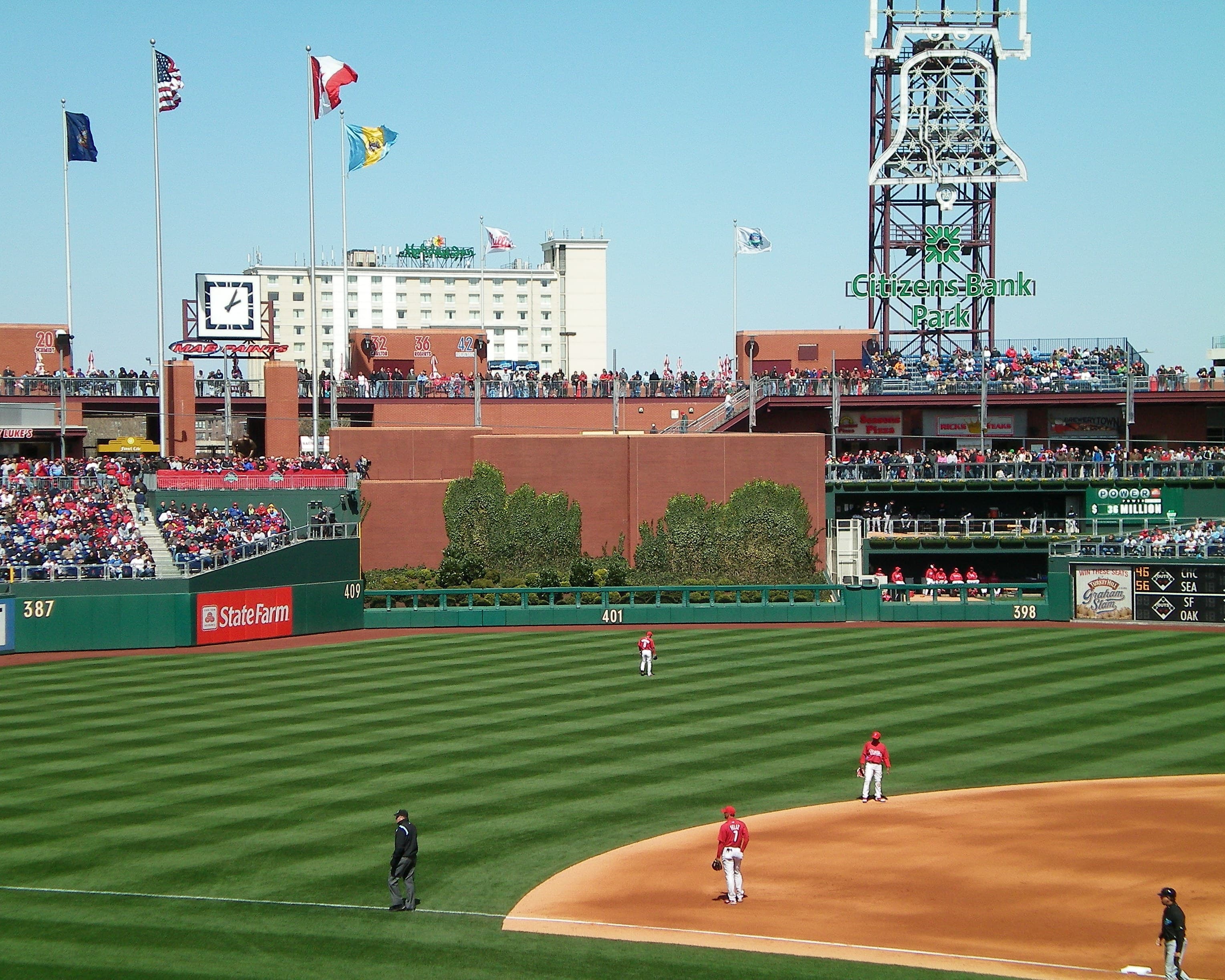
The loudest version of this lineup can change a game with one swing. The more interesting version is the one Philadelphia has shown during its current seven-game winning streak: contact, movement, and repeated pressure even when the ball stays in the yard.
That matters because postseason pitching is designed to remove comfort. Velocity rises, bullpens shorten games, and mistakes become scarce. A team that can score only when it clears the fence can go quiet quickly. A team that can advance runners, use the whole field, and force defenders to complete plays has more ways to survive a difficult night.
Bryce Harper's strong August adds another layer. His value is not limited to damage; reaching base changes how pitchers attack the hitters around him. When the lineup is producing contact behind its stars, every walk and single can become the start of an inning instead of an isolated event.
The arrival of Luis Arraez at the trade deadline fits that identity. An elite contact hitter creates RBI opportunities and makes opposing pitchers work inside the strike zone. The point is not to replace power. It is to make power less lonely by putting more traffic in front of it.
Small ball is sometimes reduced to sacrifice bunts, but modern run creation is broader: two-strike contact, first-to-third reads, productive outs, controlled aggression, and refusing to give away plate appearances. Those details travel because they are less dependent on weather, park dimensions, or one hitter being perfectly timed.
There is still risk. Aggression can become recklessness, and contact without quality can produce easy outs. The encouraging part of the streak is balance. Philadelphia is not abandoning its strength; it is adding another route to the same destination.
The real test will arrive when the lineup faces a top starter with October-level command. If the Phillies can keep creating decisions for the defense and pitches under pressure, this late-summer run will look less like a hot week and more like a postseason blueprint.